

Project Management Process
See below for experiences
-
![]()
Concepting
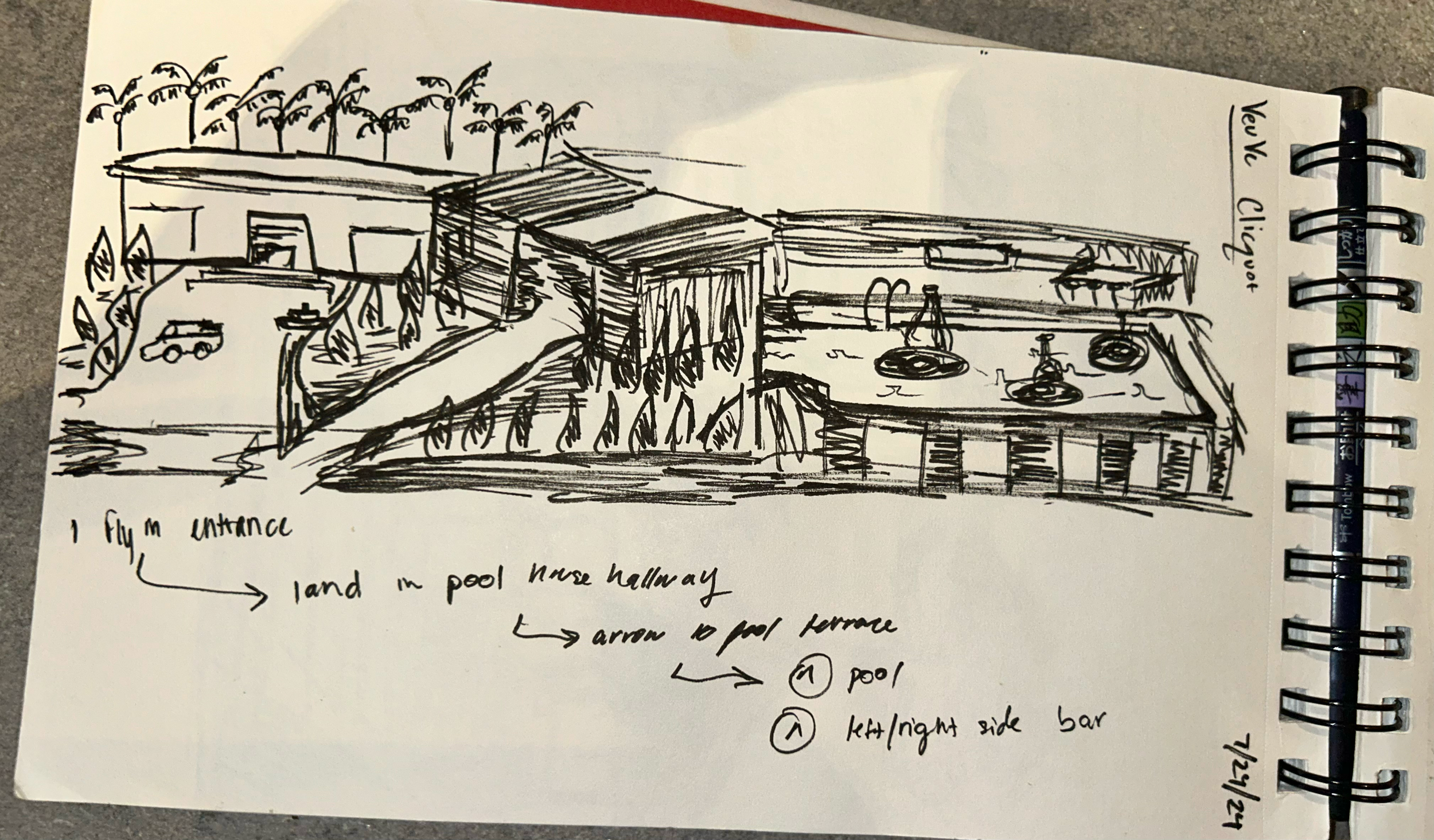
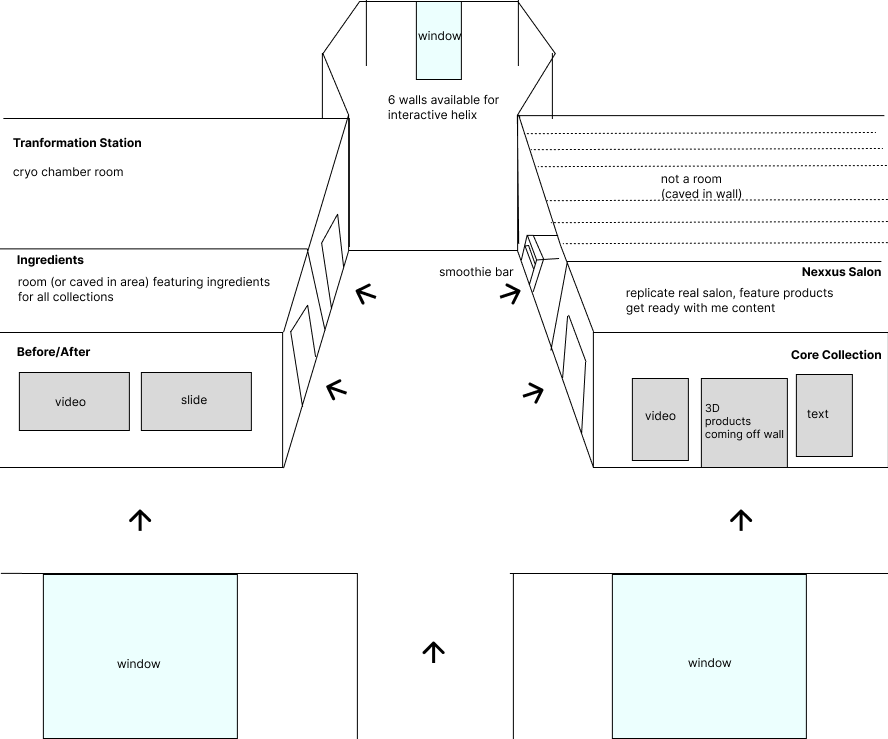
Step 1 of the design thinking methodology, brainstorming user journey based on KPIs for both brand and consumers. This starts with a simple sketch.
-
![]()
Strategy Ideation
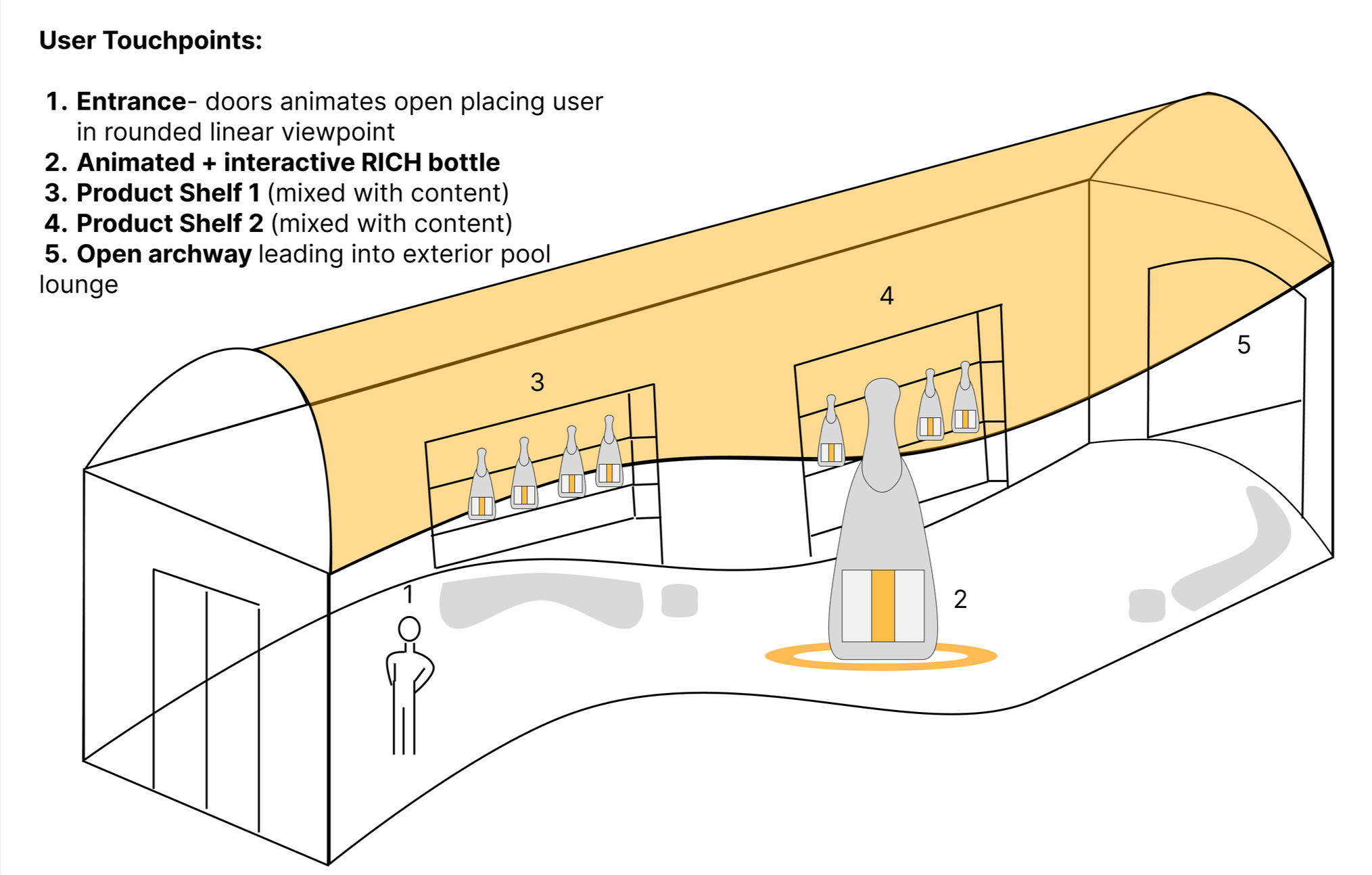
Using brand goals and KPIs, turn to Figma to layout the user flow UI / UX experience. This includes every touchpoint in each room, the content users will interact with, the checkout and overall feeling they leave with.
-
![]()
Creation
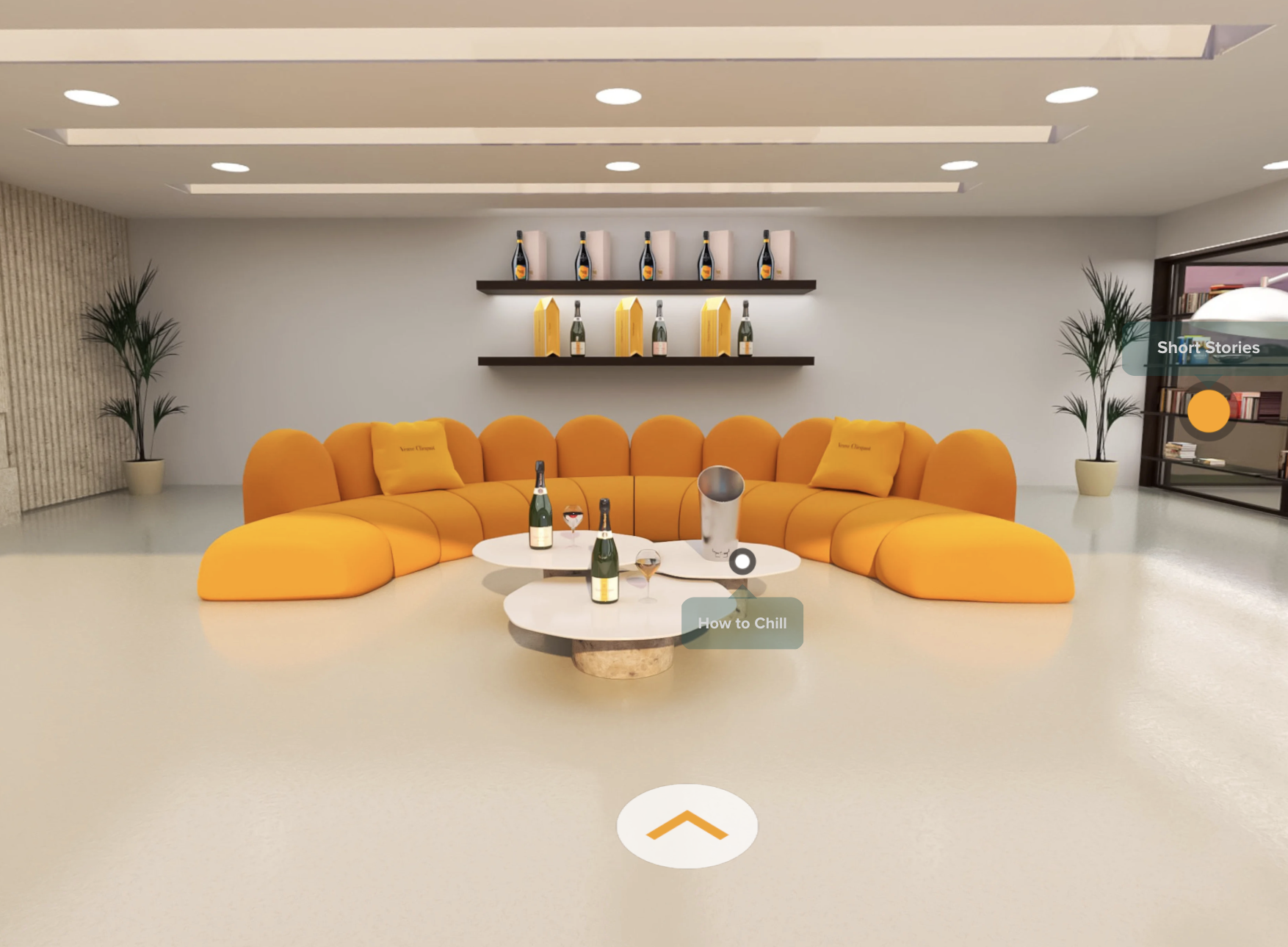
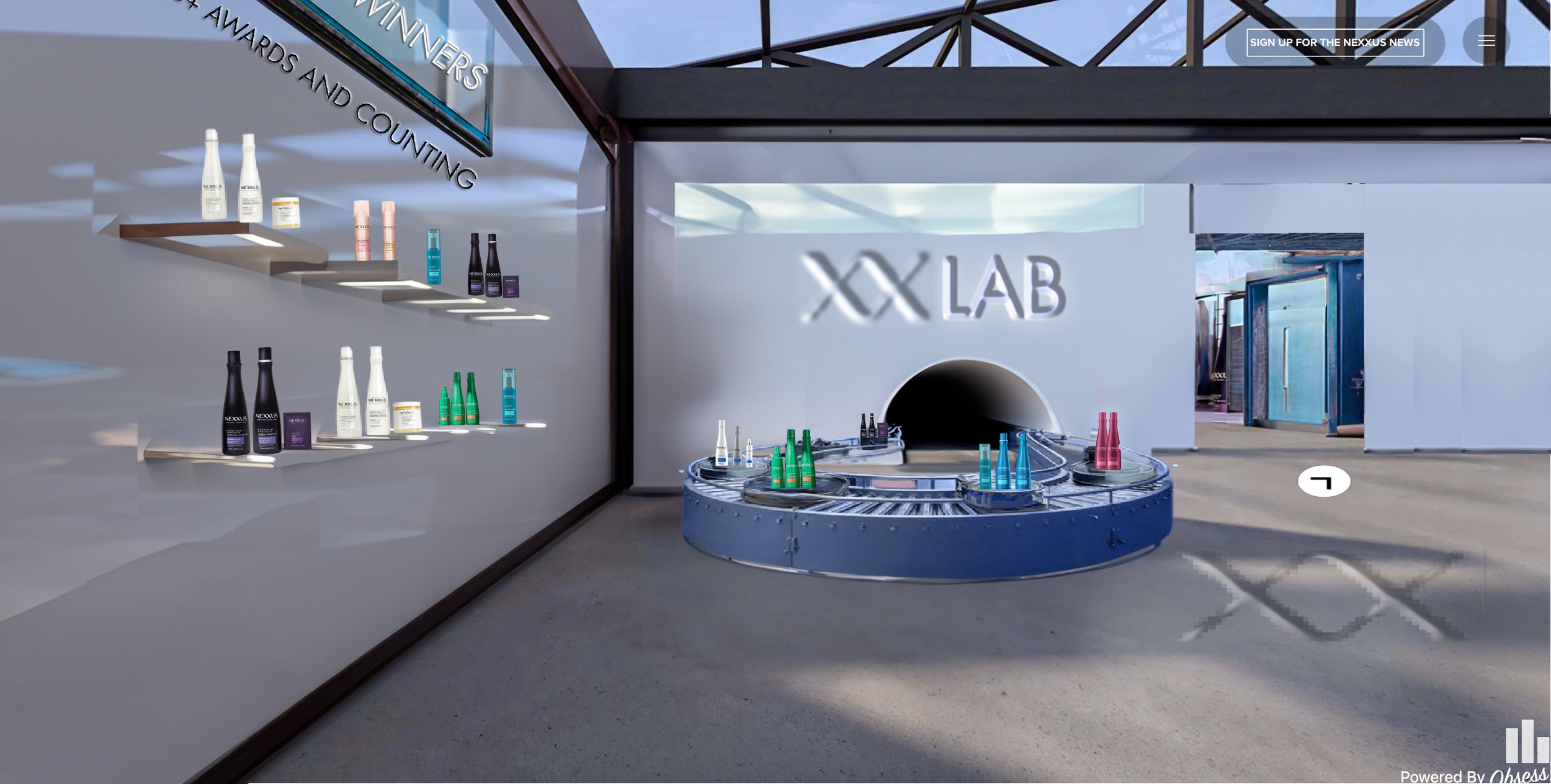
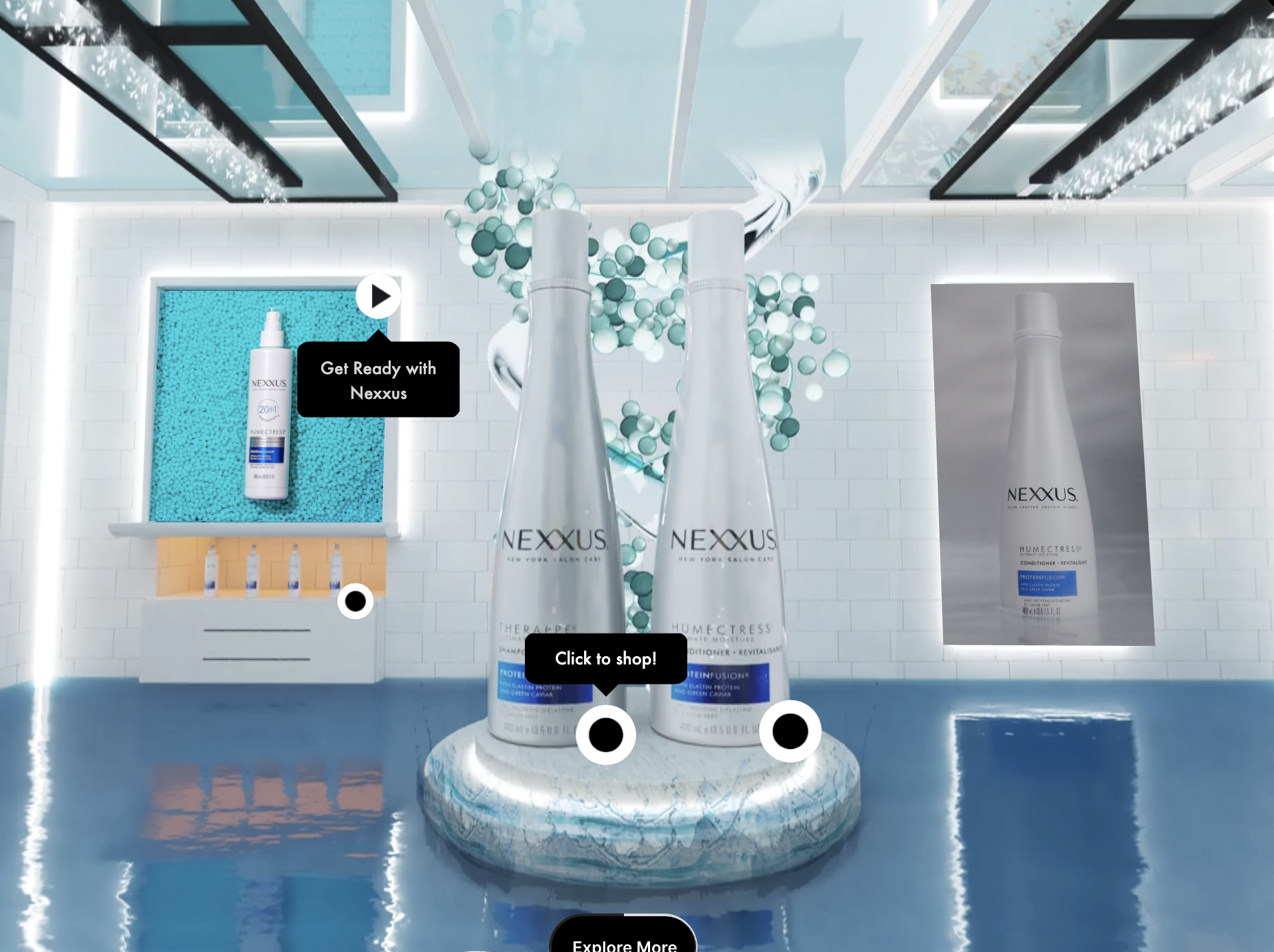
Final photoshop mocks laid out to begin the rendering process, clients see the flat previews before turning images into 3D models.
-
![]()
Process Management
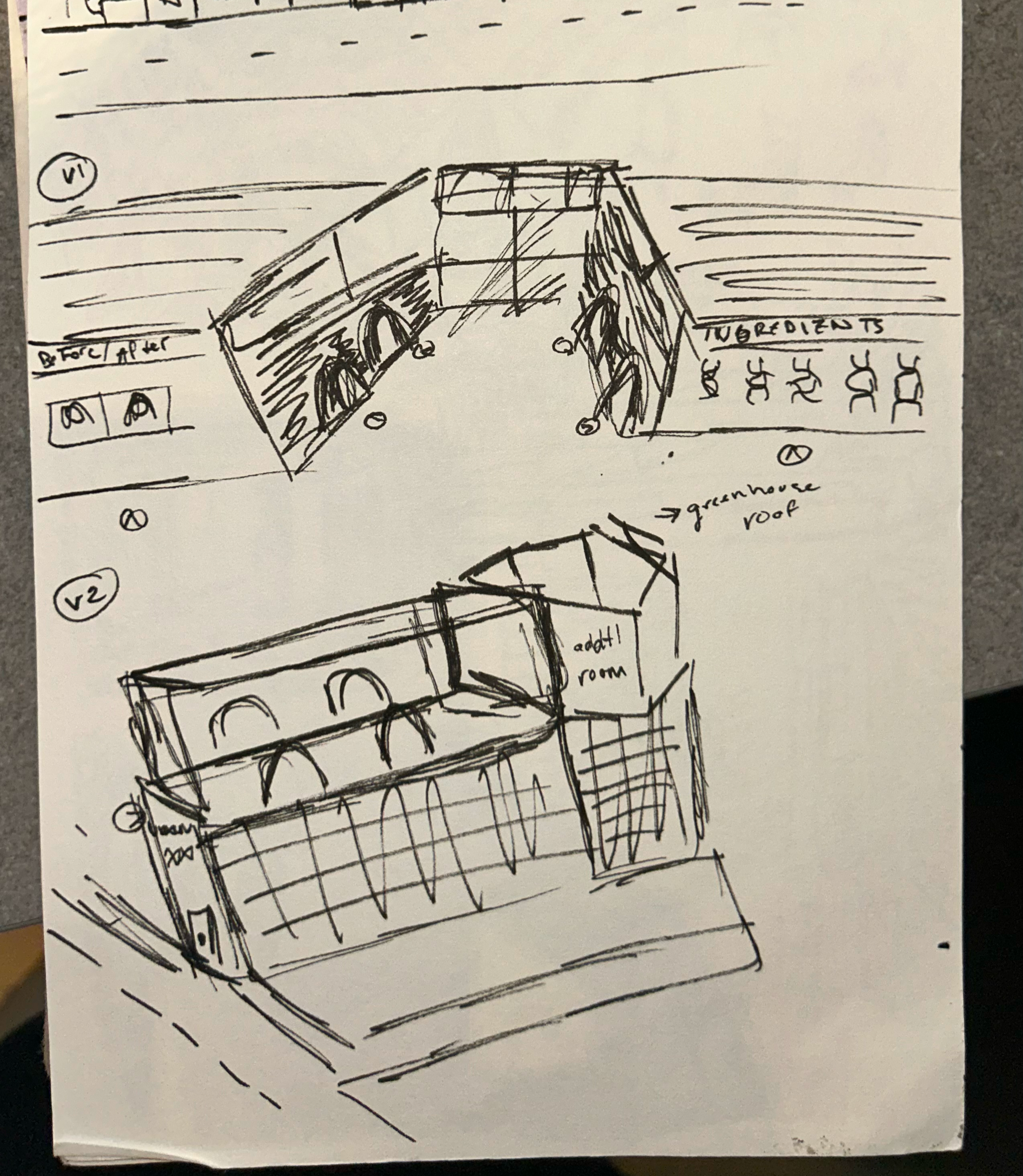
Throughout the building phase, managing the tactical day-to-day plan, kind of like building house, which layers are placed first and leading all design feedback and tweaks.
-
![]()
Execution
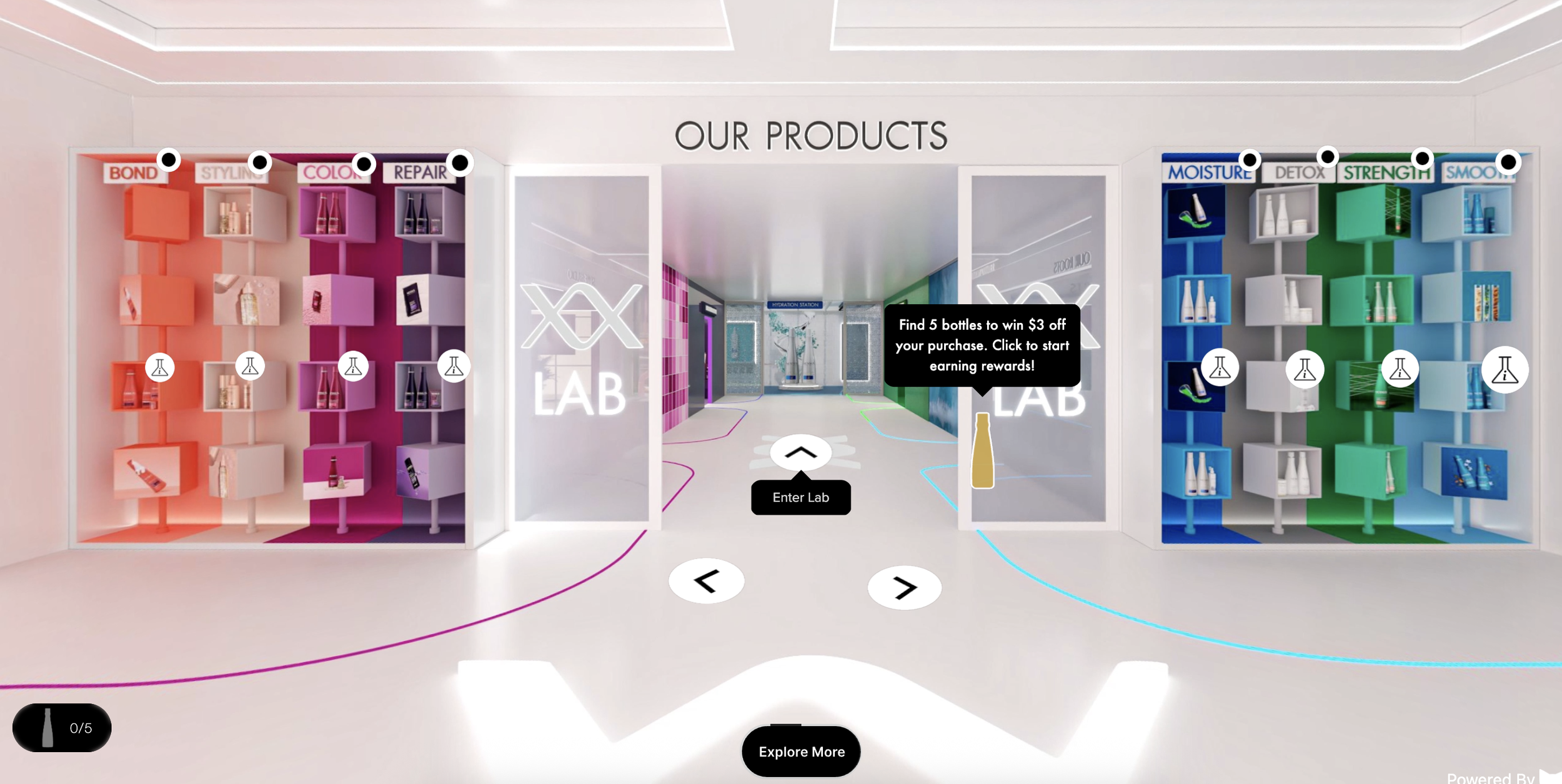
Final product and go-to-market strategy. How users will get to the experience, their purpose for being there, conversion goals and gathering data on user behavior in the experience. Then, taking the learnings and applying it to a store “refresh” with improved UI UX experience.


-
![]()
Concepting
Step 1 of the design thinking methodology, brainstorming user journey based on KPIs for both brand and consumers. This starts with a simple sketch.
-
![]()
Strategy Ideation
Using brand goals and KPIs, turn to Figma to layout the user flow UI / UX experience. This includes every touchpoint in each room, the content users will interact with, the checkout and overall feeling they leave with.
-
![]()
Creation
Final photoshop mocks laid out to begin the rendering process, clients see the flat previews before turning images into 3D models.
-
![]()
Process Management
Throughout the building phase, managing the tactical day-to-day plan, kind of like building house, which layers are placed first and leading all design feedback and tweaks.
-
![]()
Execution
Final product and go-to-market strategy. How users will get to the experience, their purpose for being there, conversion goals and gathering data on user behavior in the experience. Then, taking the learnings and applying it to a store “refresh” with improved UI UX experience.
digital experiences

Ralph Lauren 888
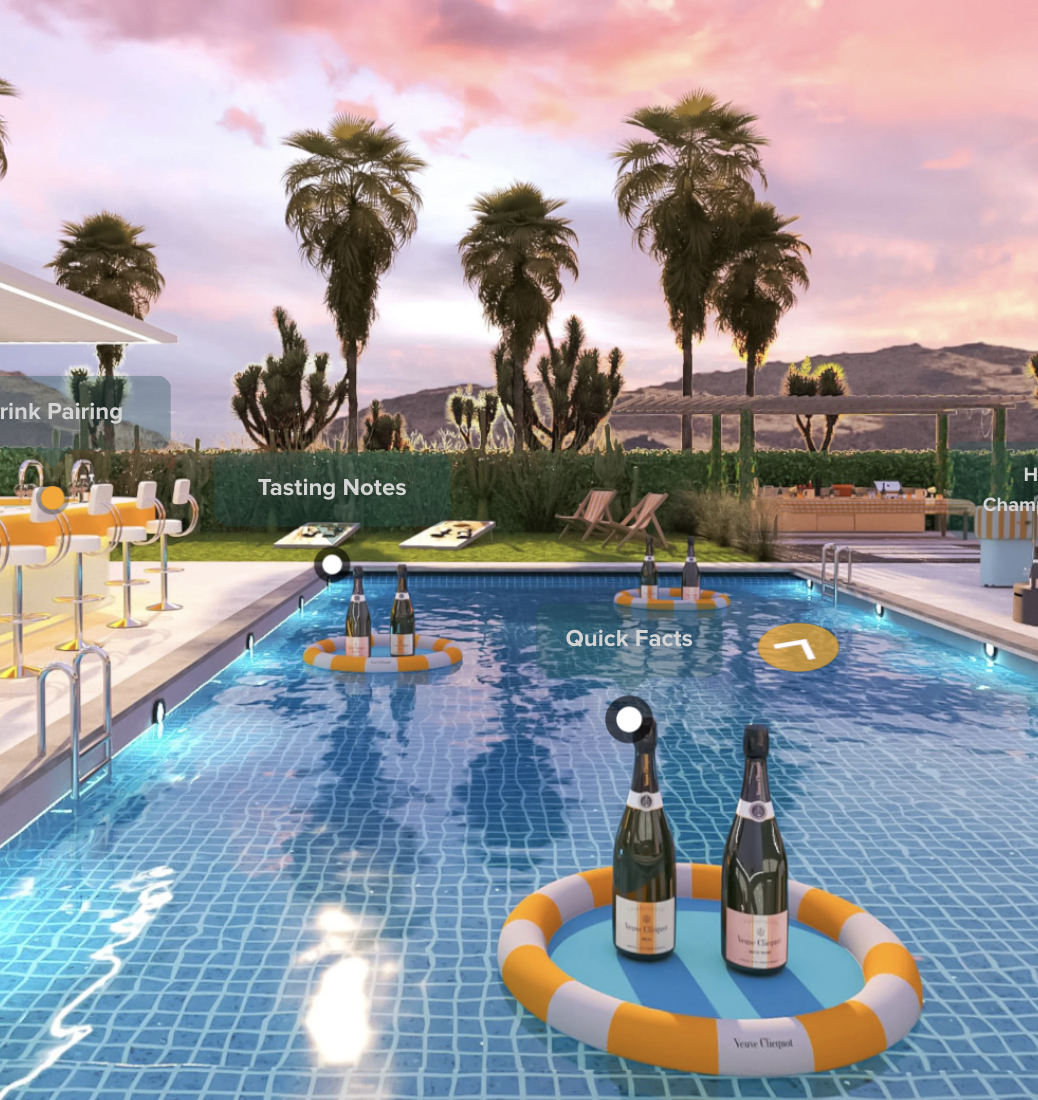
Veuve Clicquot
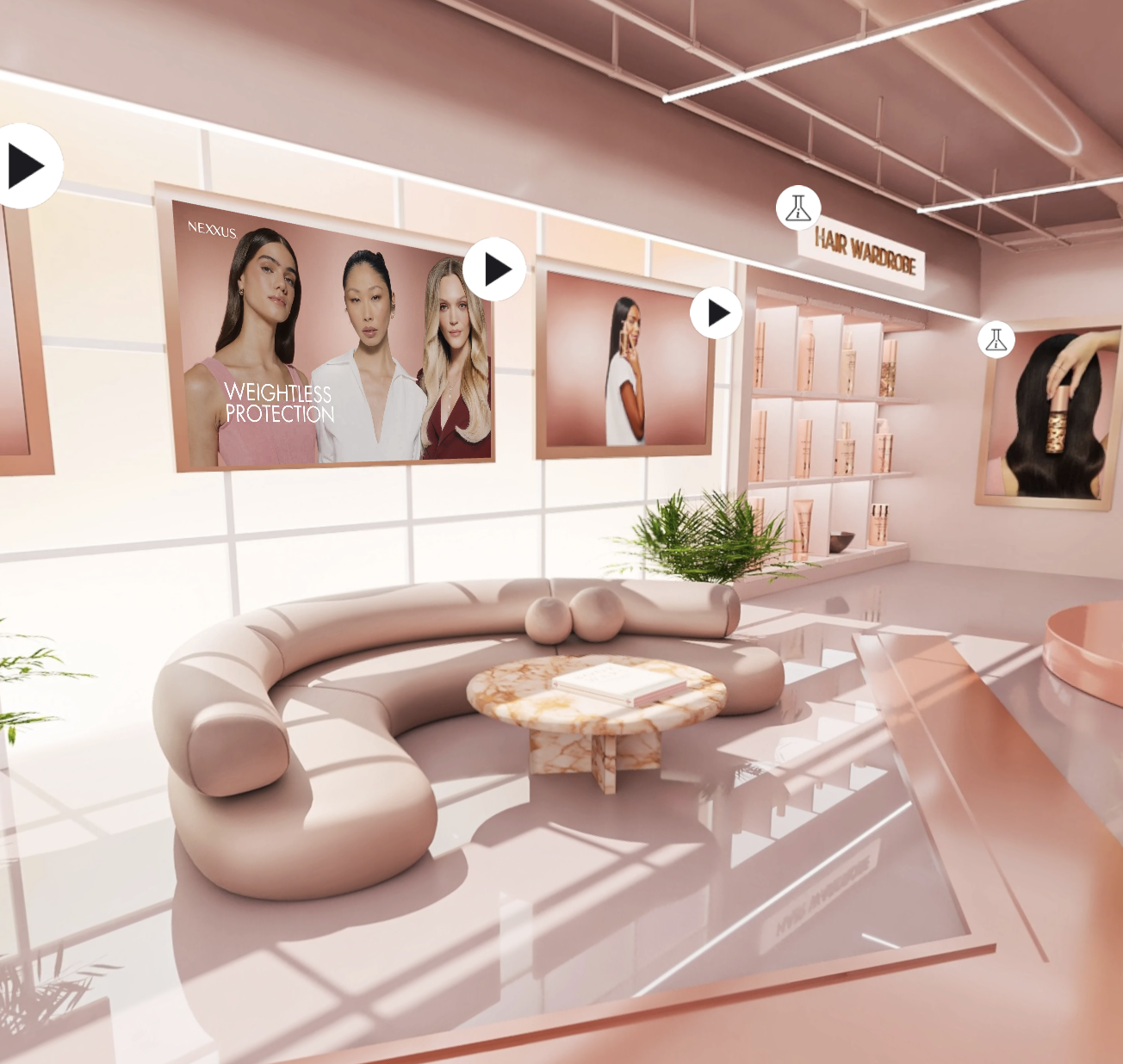
Nexxus
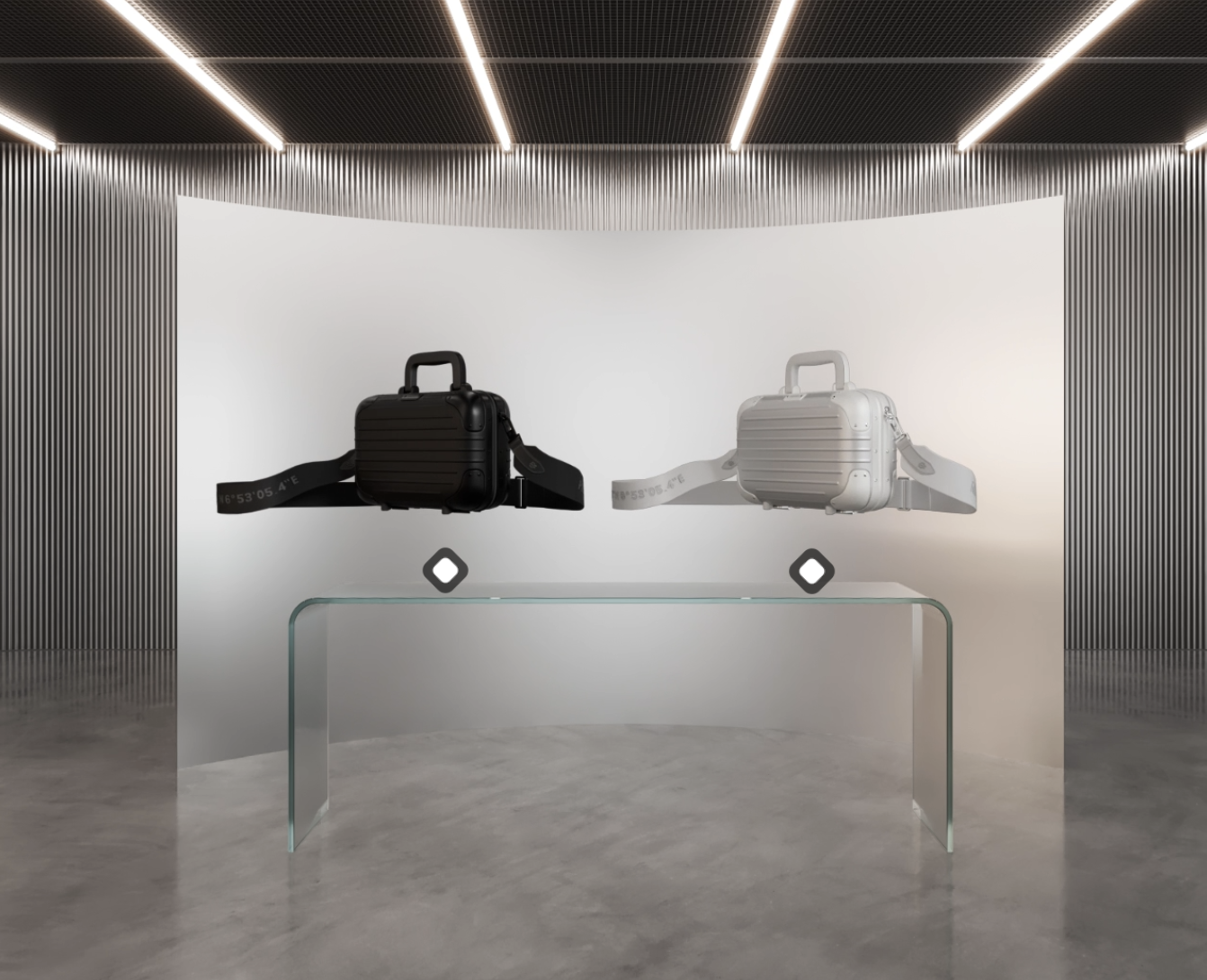
Rimowa
Beymen
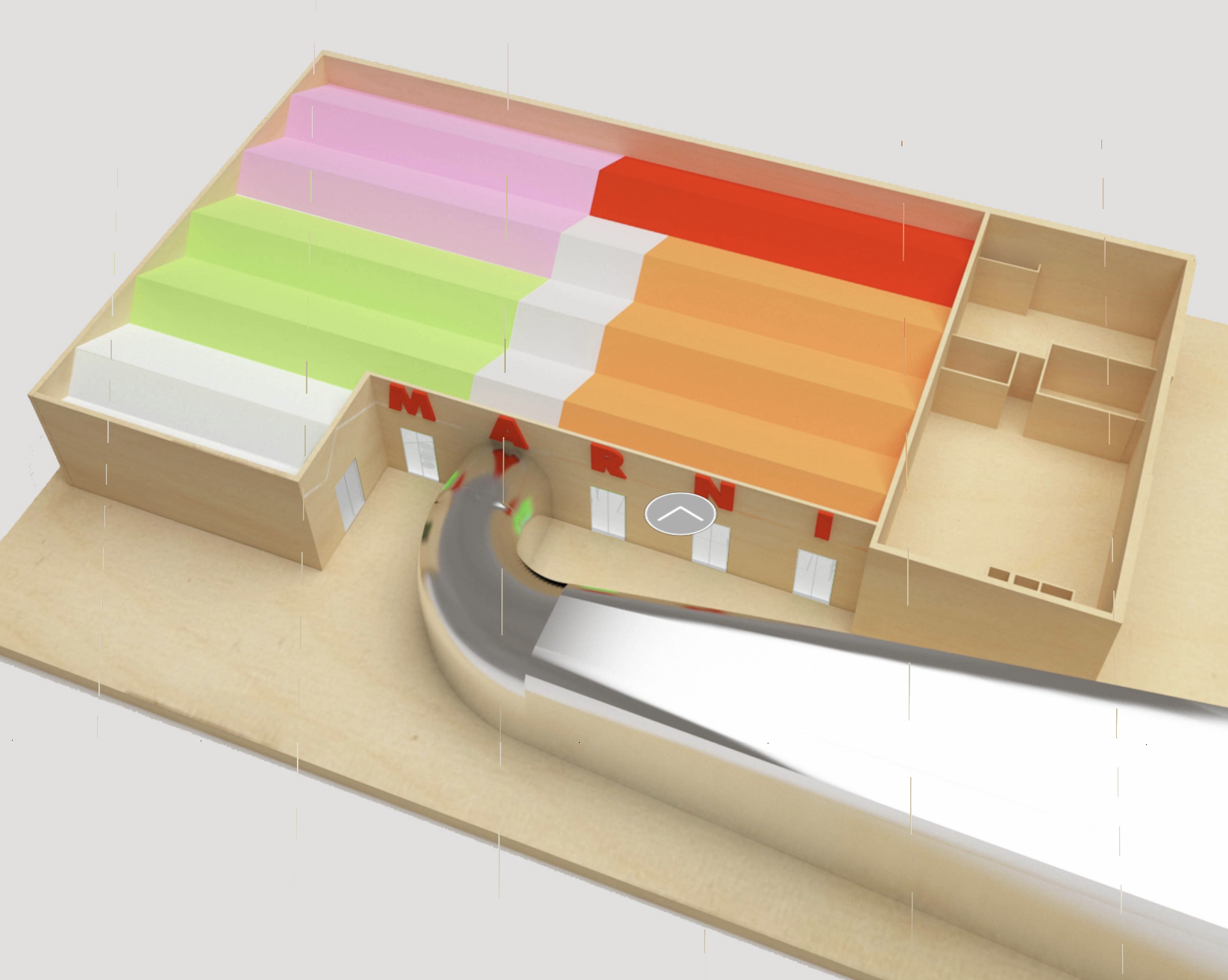
MARNI

SL Benfica
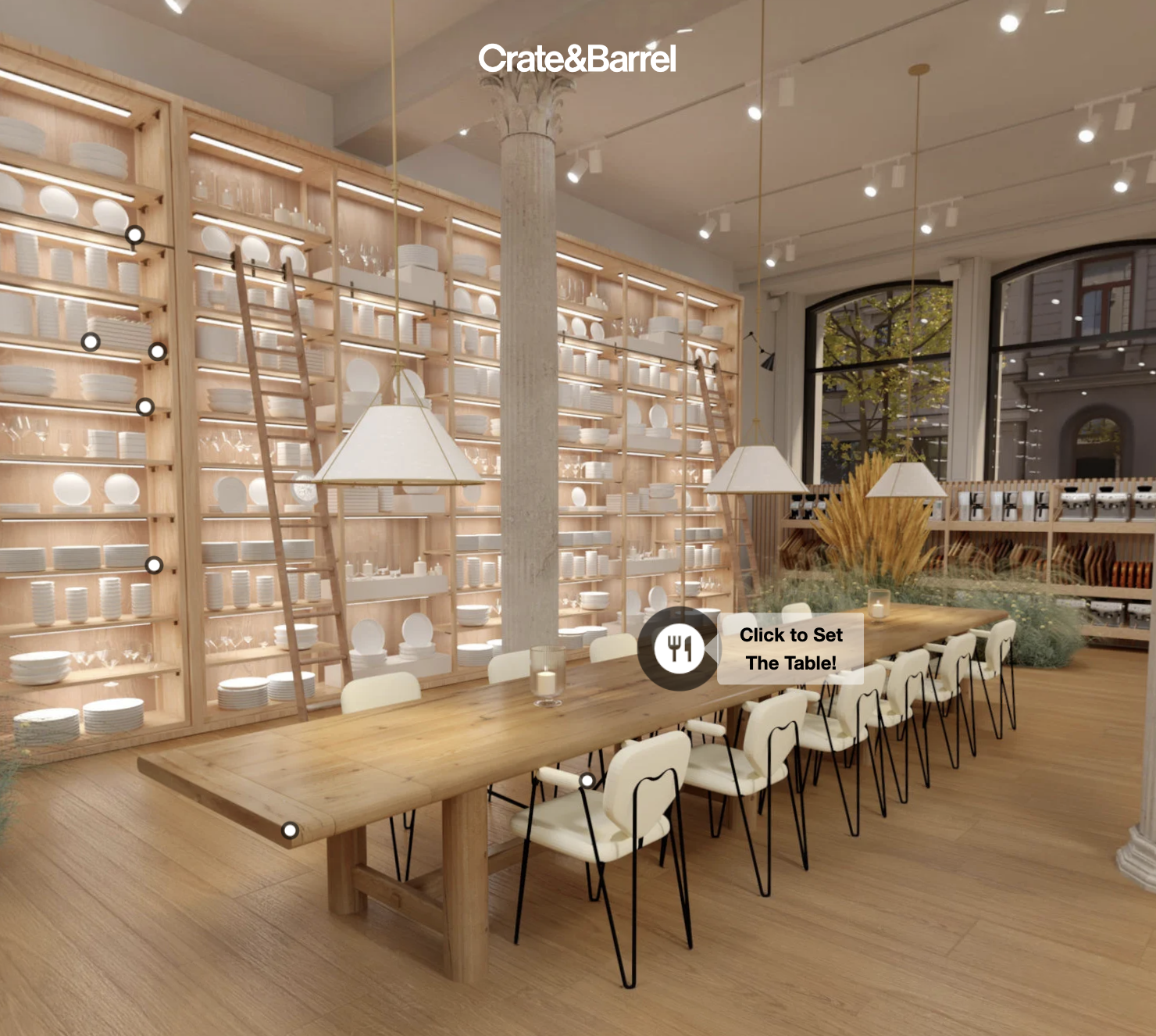
Crate & Barrel
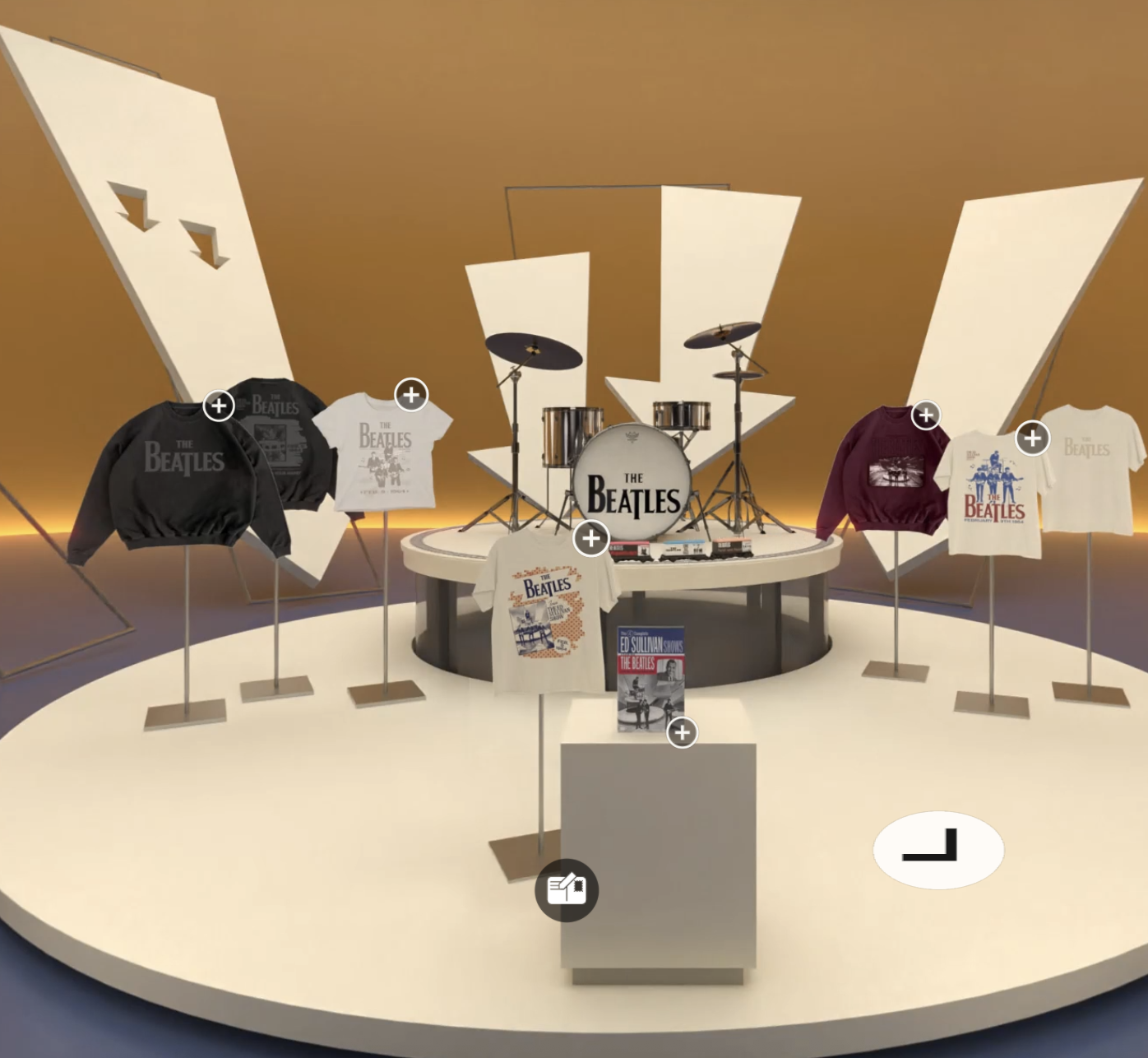
Universal Music Group
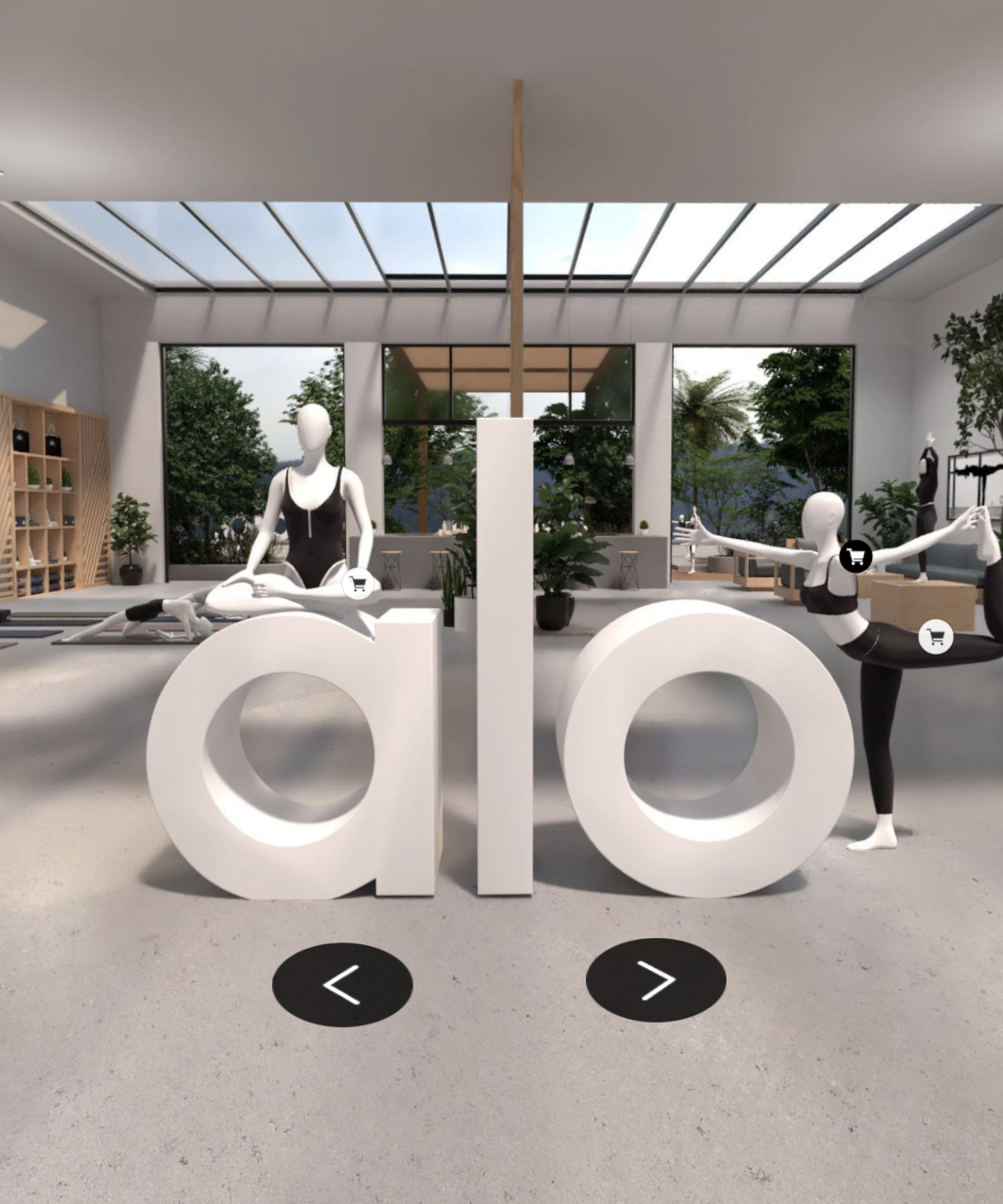
ALO Yoga
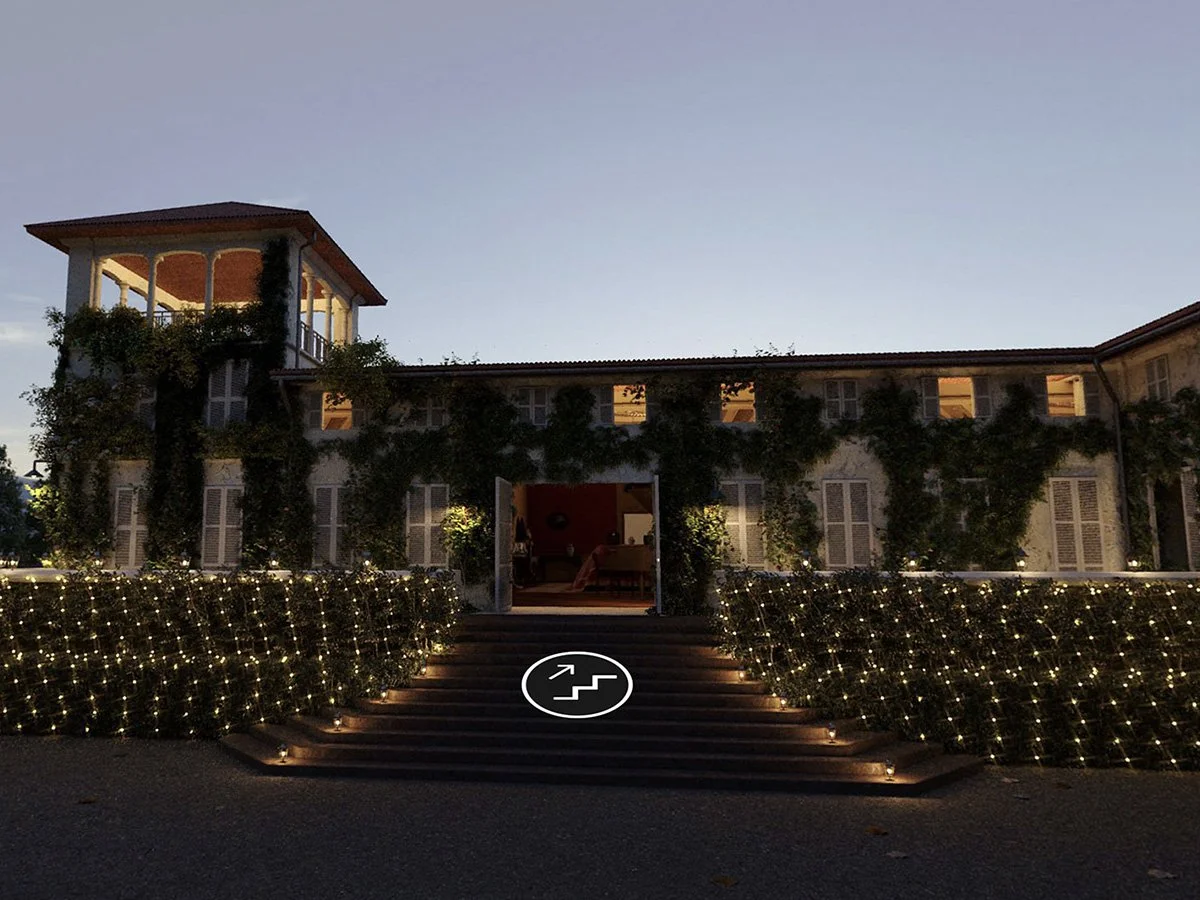
Ferragamo
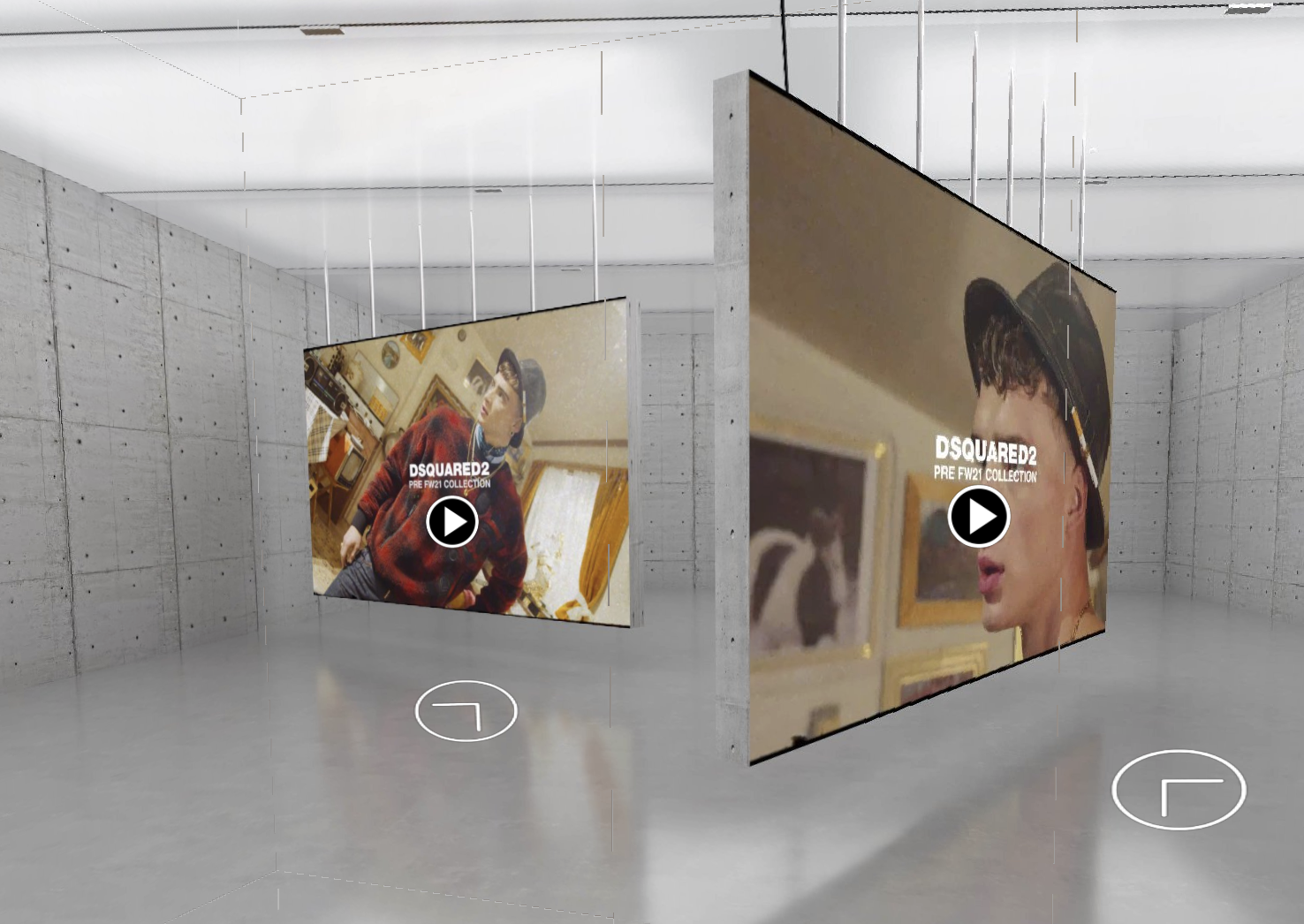
DSQUARED
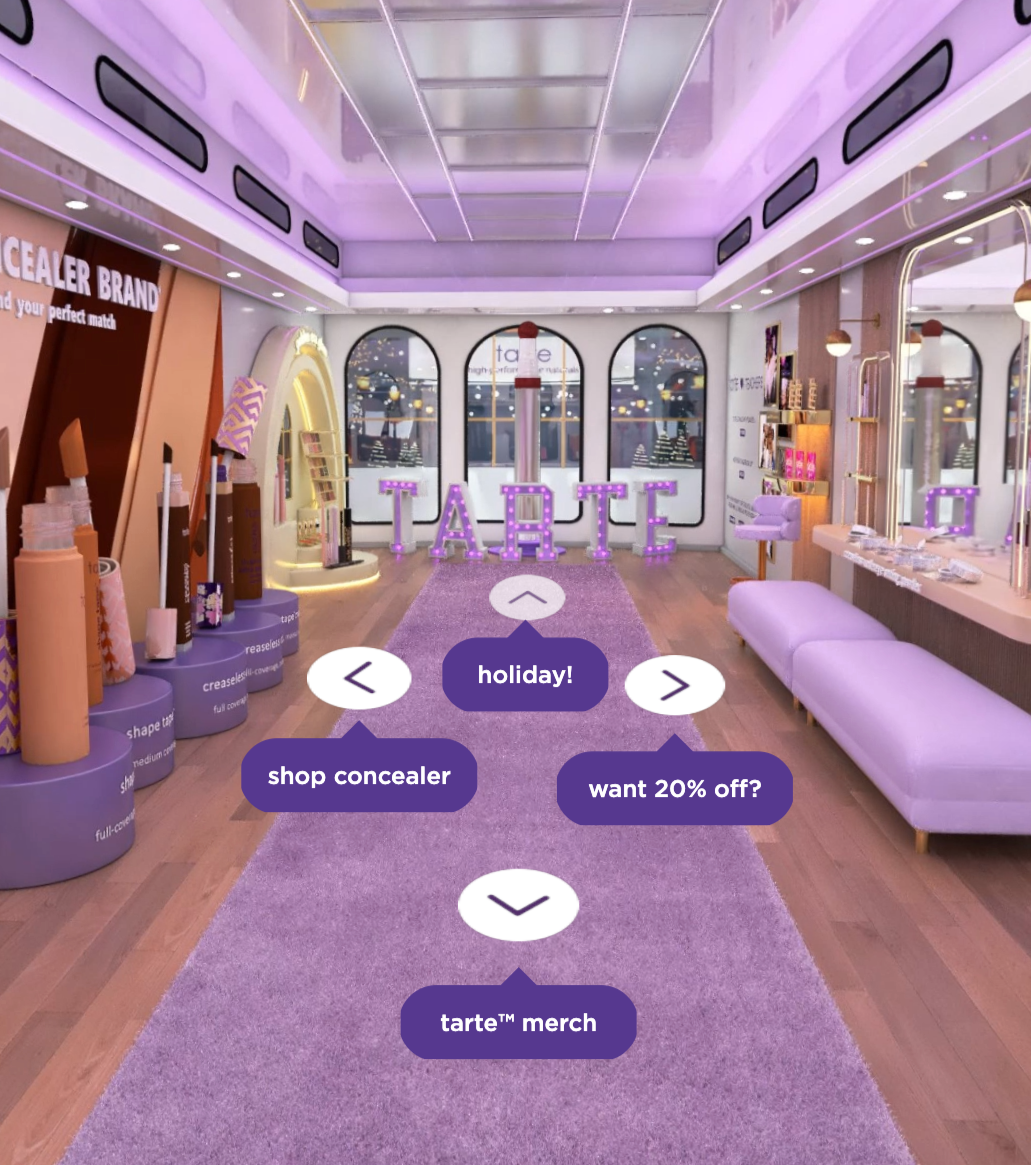
Tarte
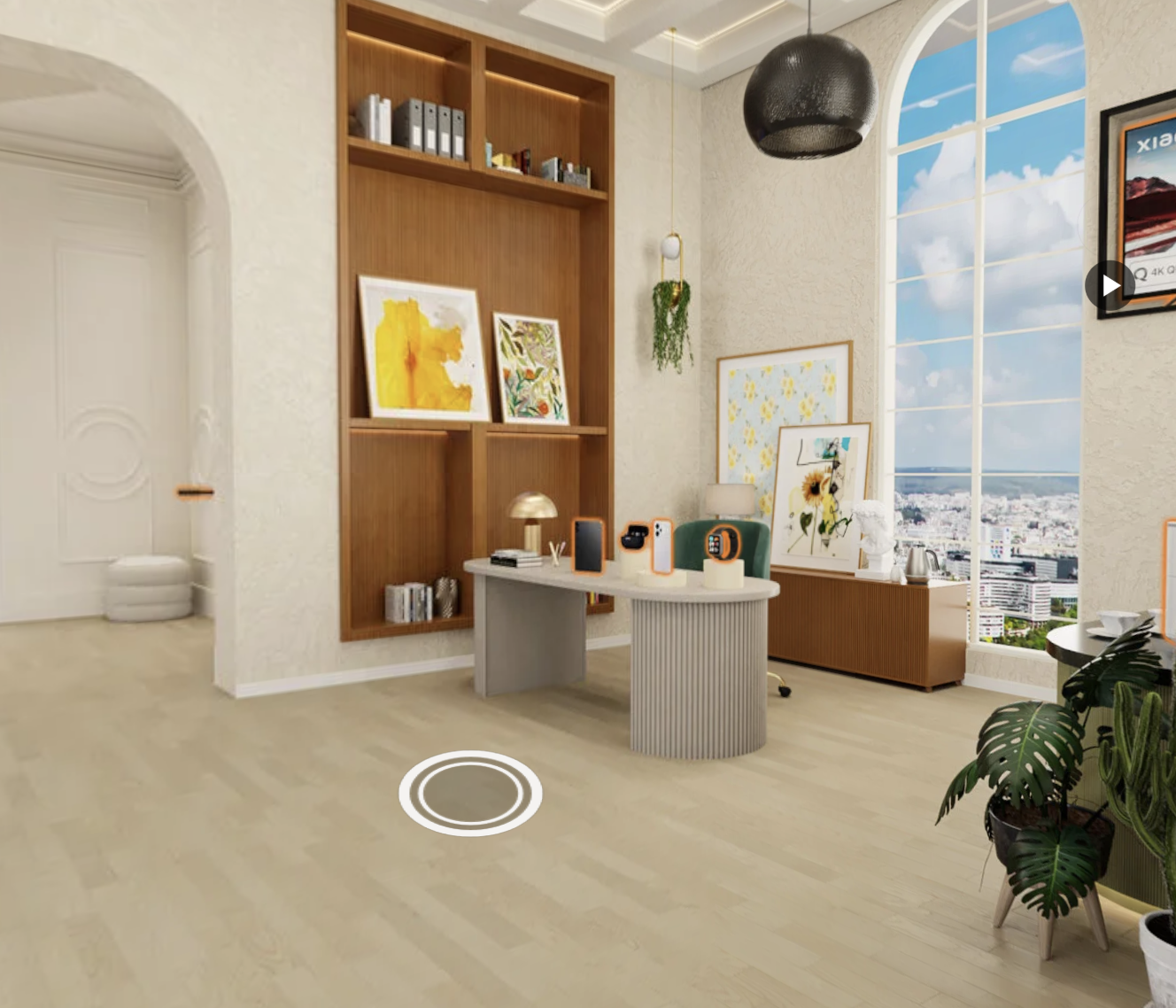
Orange
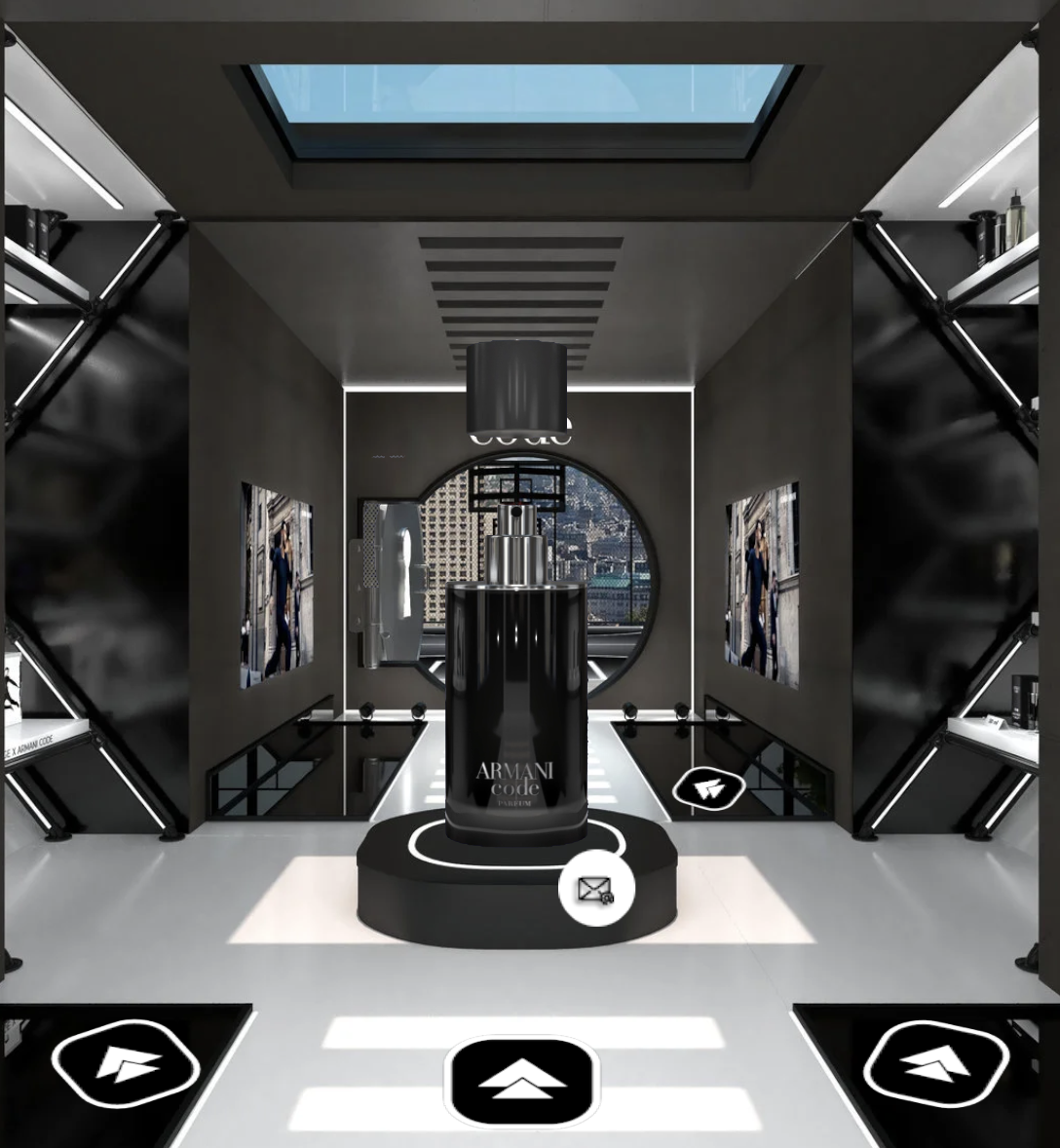
Armani Code
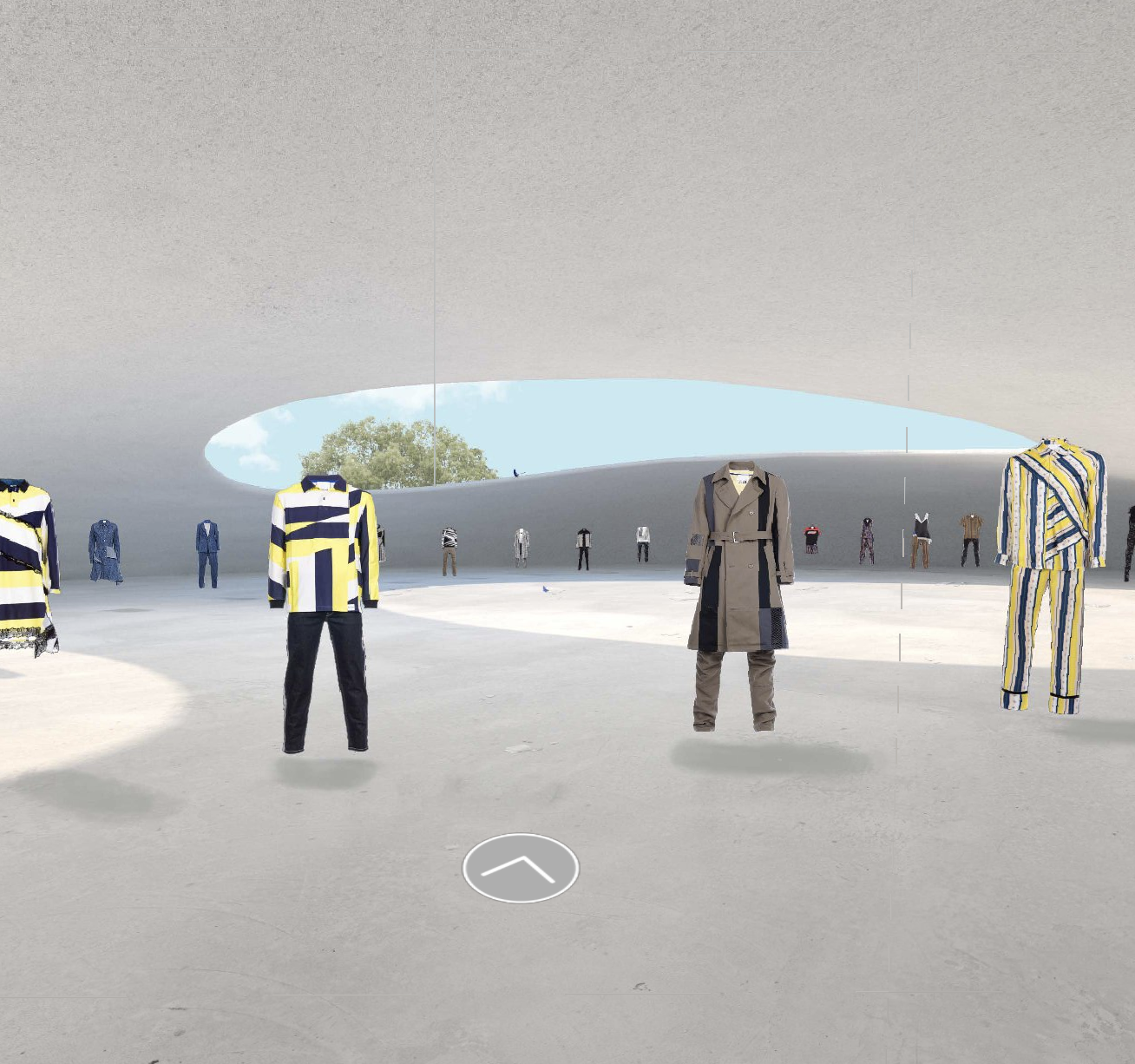
Koche

Maybelline
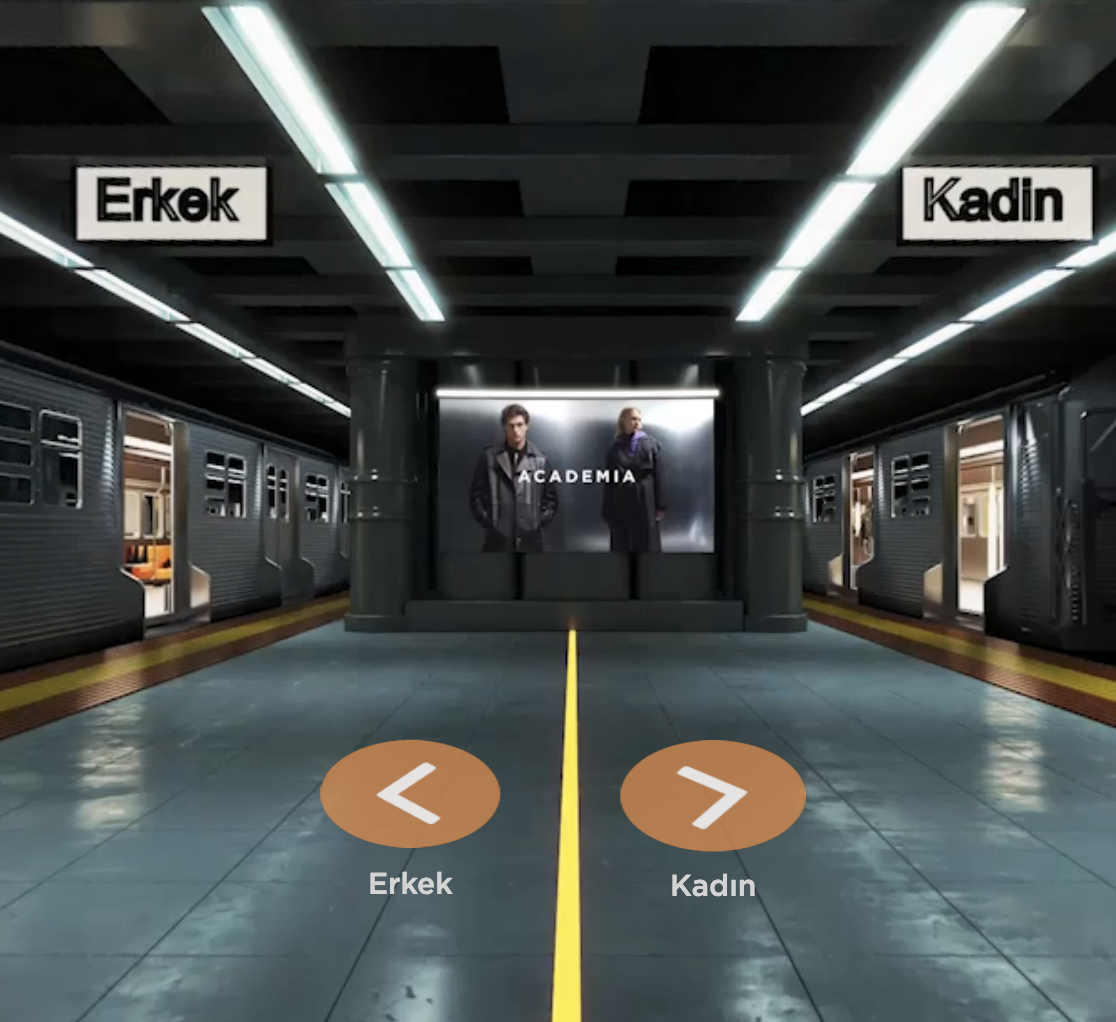
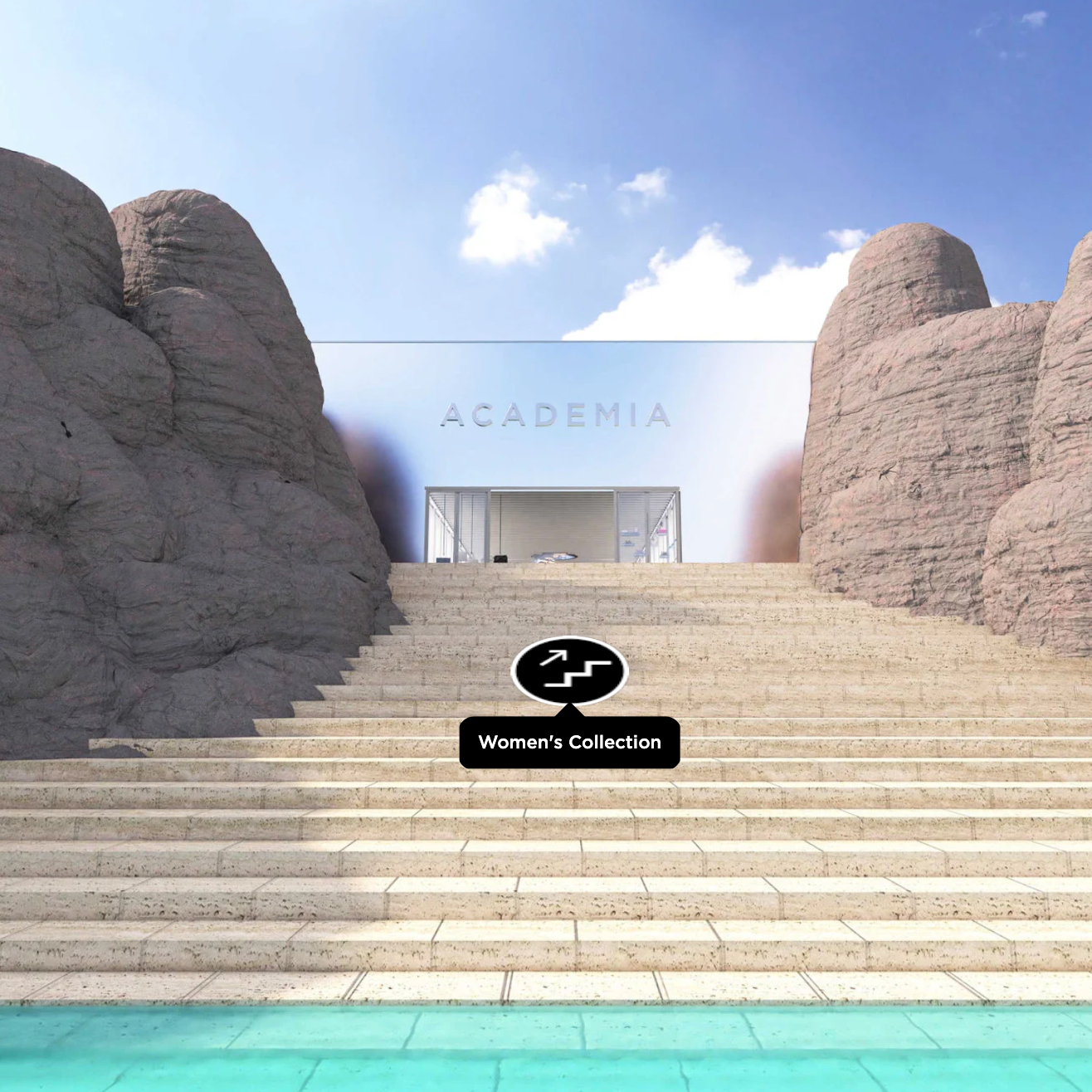
Academia
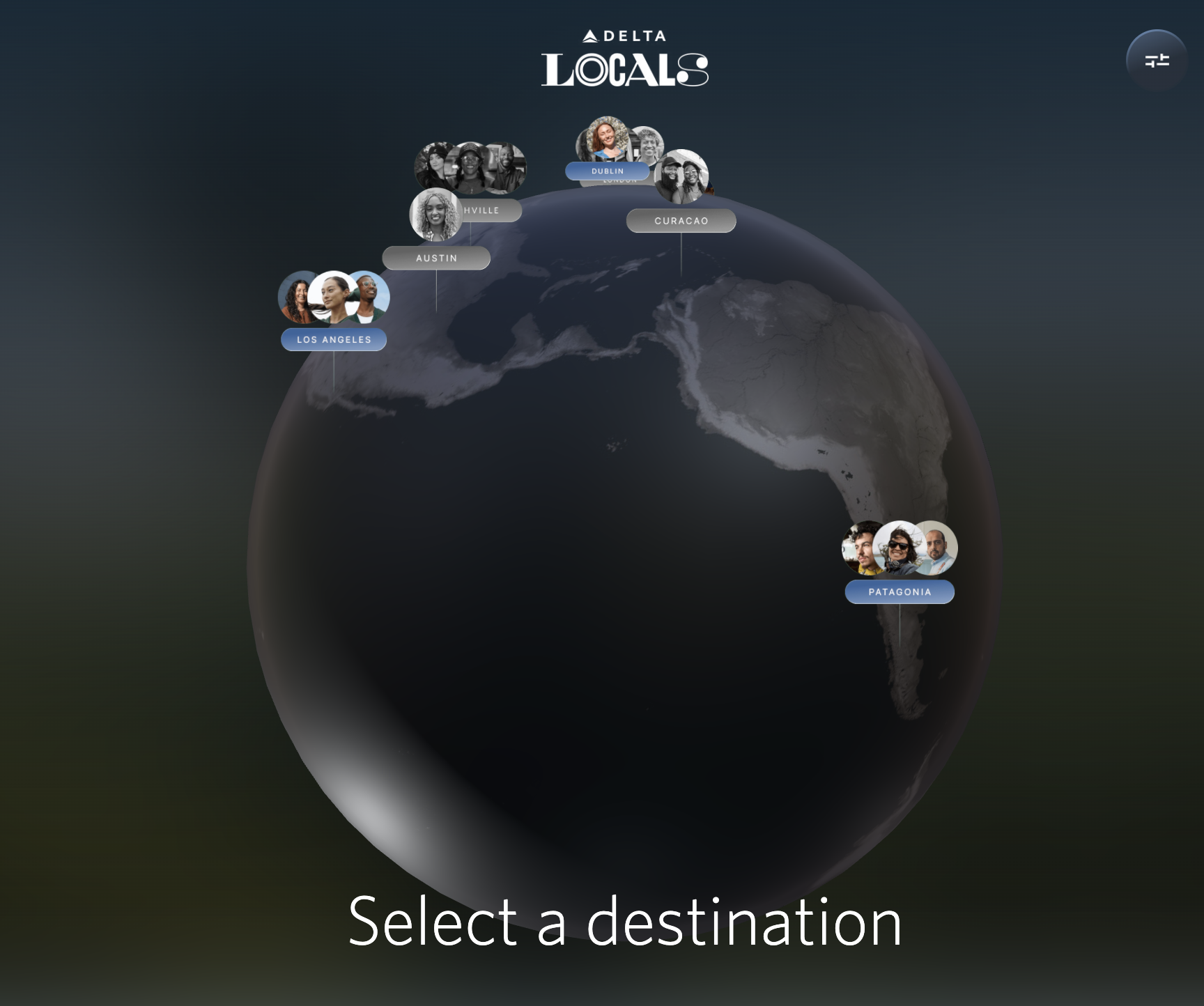
Delta Locals
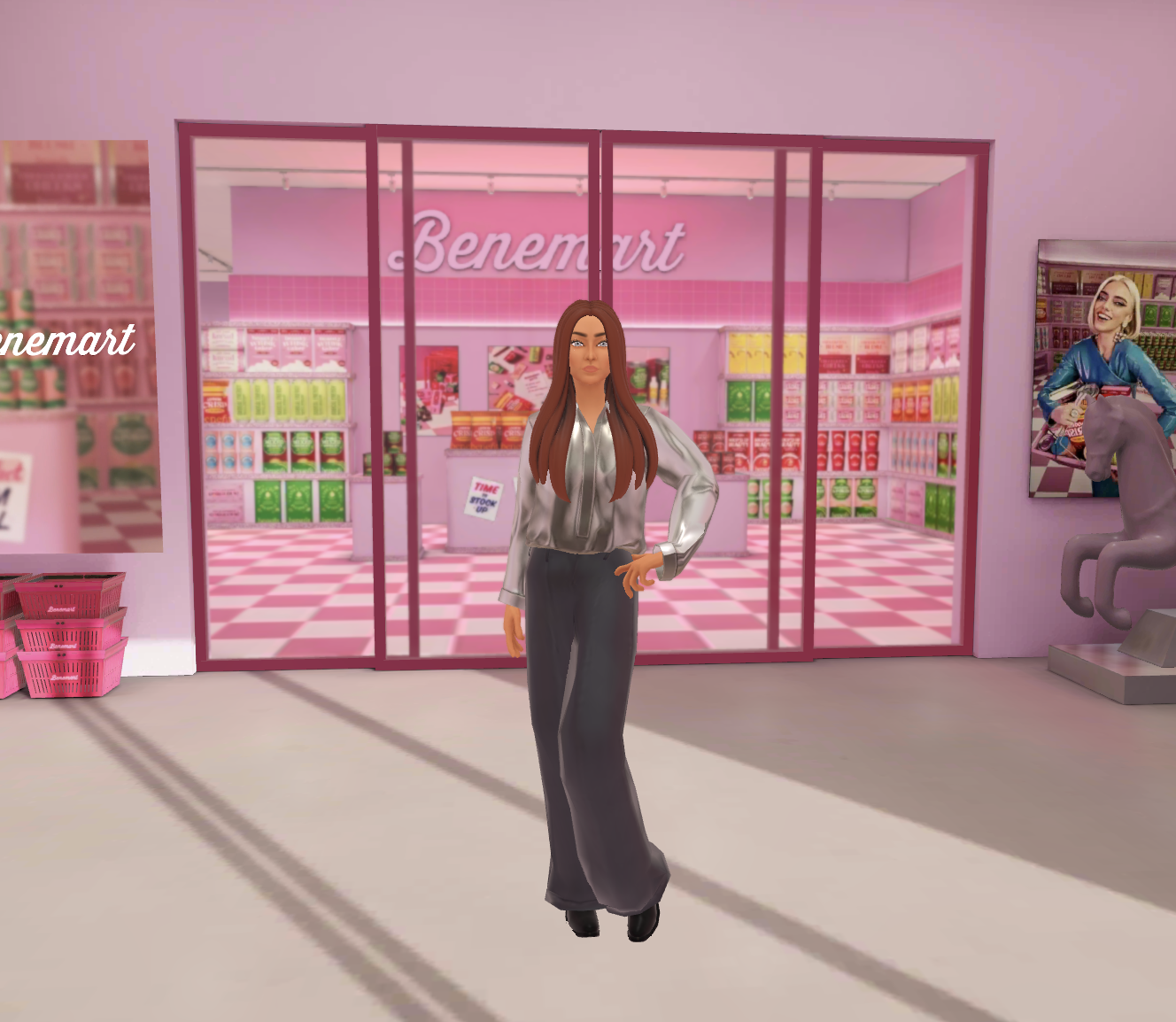
Benefit Cosmetics